Undergoing an orthopaedic operation is a massive milestone in addressing severe structural injury, chronic pain, or long-standing joint damage. However, the operation itself is merely the starting line. The true, long-term success of any orthopaedic procedure relies immensely on the quality, consistency, and timing of the rehabilitation that follows. Identifying when you need professional help is critical. Here are the top five signs you urgently need expert Birmingham post-surgery rehab delivered by a specialized physiotherapist directly to your home.
The Absolute Importance of Immediate Post-Operative Rehabilitation
In the hours and days immediately following surgical intervention, your body rapidly initiates a complex, widespread healing response. This critical period is heavily characterized by intense localized tissue swelling, significant reflex muscle inhibition, and the rapid formation of restrictive scar tissue. Without expertly guided, targeted movement, these natural physiological responses can quickly cascade into chronic joint stiffness, profound and permanent muscle weakness, and debilitating functional limitations. Engaging in active orthopaedic home physio ensures that collagen fibers realign correctly, vascular flow is optimally restored to clear swelling, and your nervous system is successfully re-educated to control dormant muscles.
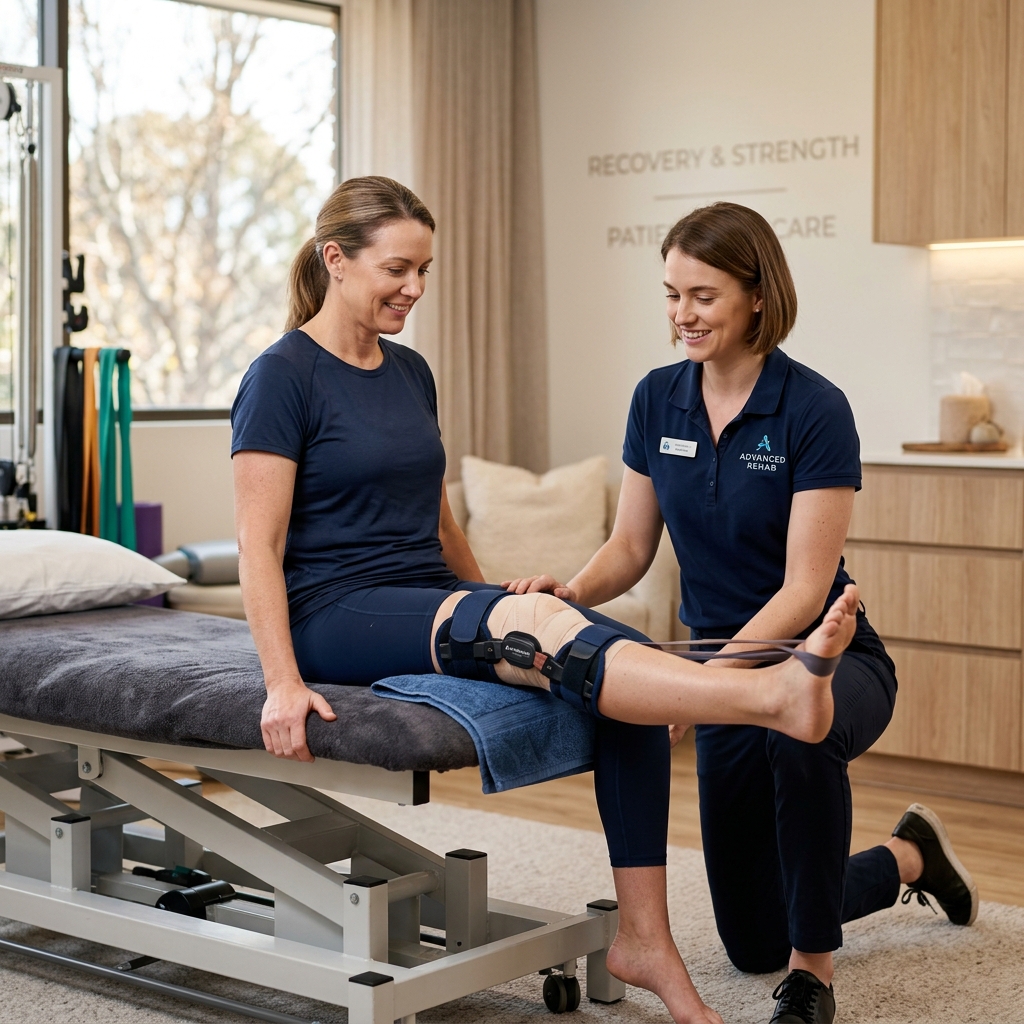
Sign 1: Persistent, Throbbing Pain That Doesn't Subside with Rest or Medication
While moderate pain is entirely expected in the early days post-surgery, it should follow a gradual, predictable downward trend as tissues heal. If you are experiencing persistent, agonizing, or throbbing pain that is not effectively managed by your prescribed pain medication protocols, it is a glaring red flag. This can indicate subtle joint alignment issues, severe compensatory muscle spasms, or excessive, trapped localized swelling that needs mechanical clearance. A skilled home physiotherapist can apply highly specific, gentle manual techniques, advise you definitively on optimal limb elevation angles, and implement progressive swelling-reduction exercises to restore your comfort safely.
Sign 2: Severely Restricted Range of Motion and Plateauing Joint Stiffness
Human joints fundamentally require safe, consistent movement to remain lubricated and pliable. Following major orthopaedic procedures—such as a total knee replacement, complex rotator cuff repair, or hip arthroplasty—the highly sensitive joint capsule naturally thickens and tightens to protect the area. If you find your joint's range of motion (ROM) is stalling, or you are failing to meet the critical flexion and extension targets set by your orthopaedic surgeon, professional manual mobilization is absolutely required. Seeking dedicated home physiotherapy after knee replacement in the West Midlands ensures your therapist can guide you through tailored passive, active-assisted, and active loading exercises to safely break down stubborn scar tissue adhesions without ever compromising the integrity of the surgical incision.
Sign 3: Profound Muscle Weakness or Complete Inability to Bear Weight
Surgical trauma and general anesthesia often trigger a phenomenon known as "arthrogenic muscle inhibition"—a powerful reflex response where your brain temporarily, yet completely, shuts down muscle activation around the operated joint to prevent further perceived damage. If you find yourself entirely unable to activate your quadriceps after a knee operation, or find it impossible to stand confidently or put appropriate weight on the affected limb without severe, terrifying buckling, highly targeted strength training is mandatory. Home physiotherapists use incredibly specific muscle activation techniques, electrical stimulation if necessary, and carefully progressive loading to safely coax these muscles back online and rebuild structural tissue.
Sign 4: Alarming Loss of Balance, Dizziness, or Coordination Issues
Your joint structures are richly embedded with millions of microscopic sensory receptors (proprioceptors) that constantly feed your brain critical information about where your limb is in space. Invasive surgery violently disrupts these neural pathways, which severely impairs your baseline balance and dynamic coordination. If you feel dangerously unsteady on your feet, struggle immensely to negotiate the stairs in your home, or constantly fear that your newly operated leg might simply give way without warning, balance retraining is critical. A visiting home therapist can guide you through proprietary balance and proprioceptive drills on both flat and unstable surfaces directly in your own home environment, drastically minimizing your risk of a catastrophic post-op fall.
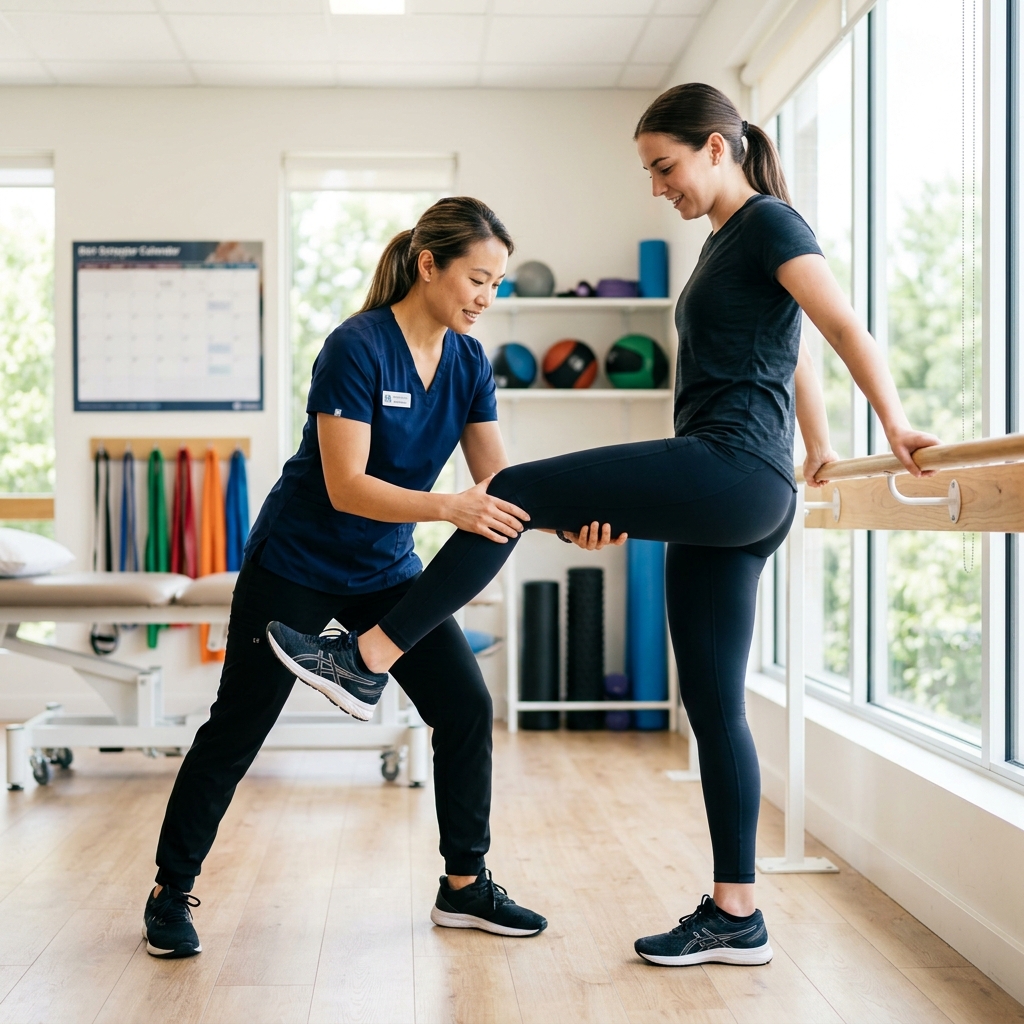
Sign 5: The Rapid Development of Painful Compensatory Movements
When one part of the body is compromised by surgery, your brain intelligently forces other muscles and joints to instantly overcompensate to keep you moving. For example, adopting a heavy limp to protect an operated knee will rapidly cause severe lower back pain or intense hip strain on the opposite, "healthy" side. If you notice yourself leaning heavily onto furniture, hiking your hip upwards just to clear your foot from the floor, or moving with a massive, noticeable asymmetry, an orthopaedic physiotherapist must analyze your functional gait. They will swiftly identify these destructive compensatory habits and correct your biomechanical movement patterns before they cause painful, secondary overuse injuries.
Struggling with Your Post-Op Recovery Journey?
Access elite, professional orthopedic rehabilitation delivered by specialists in Birmingham, Solihull, Walsall, or Wolverhampton—right in the safety of your own home.
Safely Accelerating Your Post-Op Journey at Home
Comprehensive at-home physiotherapy is unequivocally the safest, most effective way to rehabilitate after undergoing major orthopaedic surgery. By completely eliminating the agonizing pain, logistical stress, and physical risk associated with traveling to a busy outpatient clinic, you can focus 100% of your energy on your healing and recovery. At Rehalign, our expert, HCPC-registered therapists meticulously coordinate directly with your surgeon's specific post-op protocols. This ensures every single movement, exercise, and manual treatment is perfectly safe, highly structured, and custom-designed to restore you to full, vibrant, and independent health as rapidly as possible.